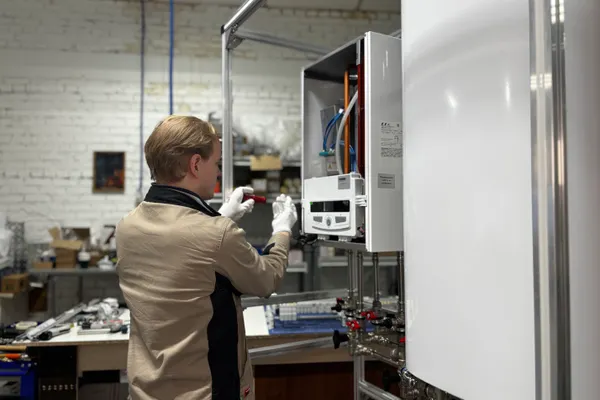
Ideal for Family Homes
Residential Furnace Replacement
Residential furnace replacement focuses on installing new heating systems for homes. It ensures consistent warmth tailored to your family’s needs, considering existing ductwork and layout.
Reliable Furnace Replacement Services for Every Home
When your furnace shows signs of wear or inefficiency, timely replacement can enhance your home's comfort and save energy. Our furnace replacement services cater to homeowners looking to upgrade their heating systems for improved performance and reliability. Whether you need a residential, gas, or electric furnace, we provide tailored solutions that suit your specific needs.
The right furnace replacement option depends on the affected area or system, the condition observed and the work required. Review the options below to understand their intended focus without mixing unrelated services.
Residential furnace replacement focuses on installing new heating systems for homes. It ensures consistent warmth tailored to your family’s needs, considering existing ductwork and layout.
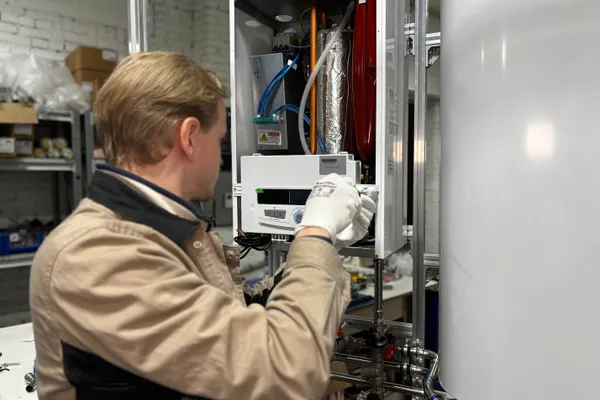
Gas furnace replacement involves removing an outdated unit and installing a newer model. This option offers efficient heating, utilizing natural gas to lower running costs.
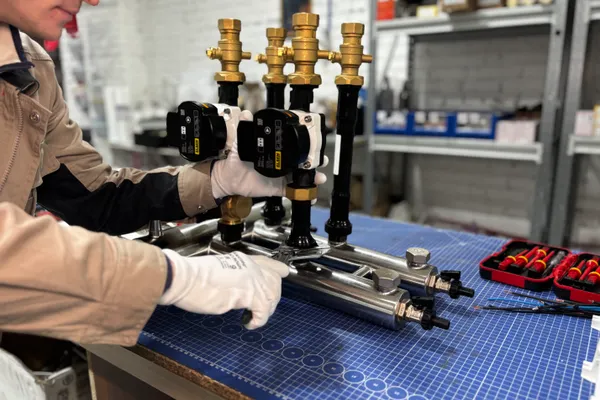
Electric furnace replacement is perfect for homes that do not have gas service. It ensures reliable heating with typically lower installation costs compared to gas alternatives.

Replacing old furnaces can prevent breakdowns and enhance energy efficiency, ensuring proper heating performance and reducing future repair risks due to age.
High-efficiency furnace replacement can significantly reduce heating costs. These systems achieve a higher AFUE rating, maximizing fuel use to decrease overall consumption.

Energy-efficient upgrades enhance heating systems by integrating advanced technology that maximizes heat retention and minimizes energy waste in your home.
Emergency furnace replacement allows for rapid installation of new systems, ensuring your home remains warm during unexpected breakdowns, minimizing discomfort.
Central heating furnace replacement improves airflow and heat distribution throughout your space, often requiring compatibility checks with existing ductwork for effective results.
Basement furnace replacement focuses on heating solutions that work efficiently in lower levels of homes, ensuring adequate heating without sacrificing living space.

Attic furnace replacement ensures effective heating in upper levels. Proper installation and ventilation considerations are essential for optimal performance in this unique environment.
Single-stage furnaces provide consistent heating by running at full capacity only. They're typically less expensive and suitable for homes with moderate heating demands.
Two-stage furnace replacement allows for more precise temperature control, helping to reduce energy costs while maintaining consistent warmth, ideal for varying climate needs.
Recognizing when a furnace needs replacement is crucial. Look for signs like frequent repairs, old age (typically over 15 years), signs of physical wear, or increased energy bills. Each of these indicators suggests that replacement may be more beneficial than ongoing repairs, allowing for enhanced efficiency and comfort.
If your furnace is older than 15 years, it may be time to consider replacement for efficiency.
Regular breakdowns indicate that a replacement could ensure reliable heating during winter.
Rust or visible wear can signify that your furnace is nearing the end of its lifespan.
Increased heating costs often suggest that your furnace is losing efficiency.
A clear service process starts with the reported concern, continues through a condition review and defined scope, and ends with a review of completed work and practical follow-up guidance.
Start with an inspection of the existing furnace to determine its condition and identify replacement needs.
Review different furnace models and options with the homeowner, explaining features and energy efficiencies.
Schedule the replacement, ensuring access to necessary areas and arranging for any modifications to ductwork.
Carefully dismantle and remove the old furnace, ensuring proper disposal or recycling of parts.
Install the new furnace according to manufacturer guidelines, ensuring correct placement and connections.
After installation, perform a thorough test to ensure the new furnace operates efficiently and reliably.
Conduct a final walkthrough with the homeowner, explaining system operation and providing maintenance tips.
Quality furnace replacement depends on a clear scope, careful preparation, appropriate work practices and communication at each stage. These standards help customers understand what is planned and what follow-up may be appropriate.
We provide genuine recommendations based on your furnace’s condition and your home’s needs.
Stay informed throughout the process, from assessments to final installation and testing.
Ensure your property is left clean and that all systems are functioning correctly before we conclude our work.
Match furnace replacement to the affected area or system and the symptoms you have observed. Share relevant property details so the request can be reviewed accurately.
The scope can vary with access, materials, condition severity and any inspection or diagnostic findings. Confirm what is included before work begins.
Service availability and final scope depend on the property, access conditions, the observed issue and any inspection or diagnostic findings. Contact the business for current coverage and scheduling details.
Typically, replacing a furnace can take anywhere from a few hours to a full day, depending on complexity.
Furnace replacements often involve various materials, including durable metals, insulated ductwork, and high-efficiency components.
Some disruption may occur during installation; however, we aim to minimize inconvenience to your home.
Clear access to your furnace and ensure nearby areas are free of obstacles for an efficient installation.
After replacement, expect a well-functioning heating system and a thorough walkthrough with operation instructions.
Regular maintenance includes changing filters, keeping vents clear, and scheduling annual professional tune-ups.
Furnace replacement services apply across varied homes within the service area, considering the existing infrastructure and heating requirements. Recognizing unique conditions helps tailor replacements effectively, ensuring compatibility and optimal performance during colder months.
Contact us today to discuss your furnace replacement needs and receive a customized quote.
13802470849Page reviewed by the HVAC Contractor RHS team · Last updated November 2026